- Technology
Modern architecture today
is the pursuit of the perfect balance between functionality, aesthetics, and environmental care. In response to this challenge, a technology was developed for designing and producing fully finished living spaces — solutions where every detail serves comfort, harmony, and respect for the environment.
Proprietary Serial Production System
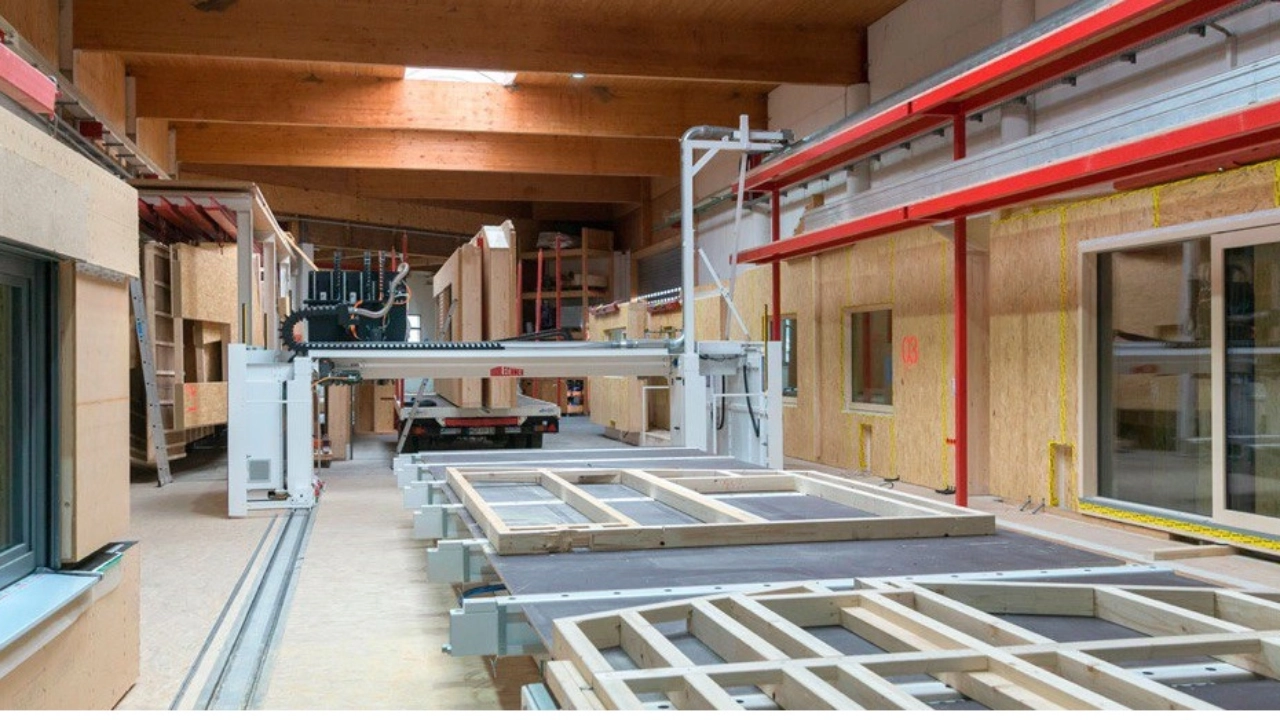
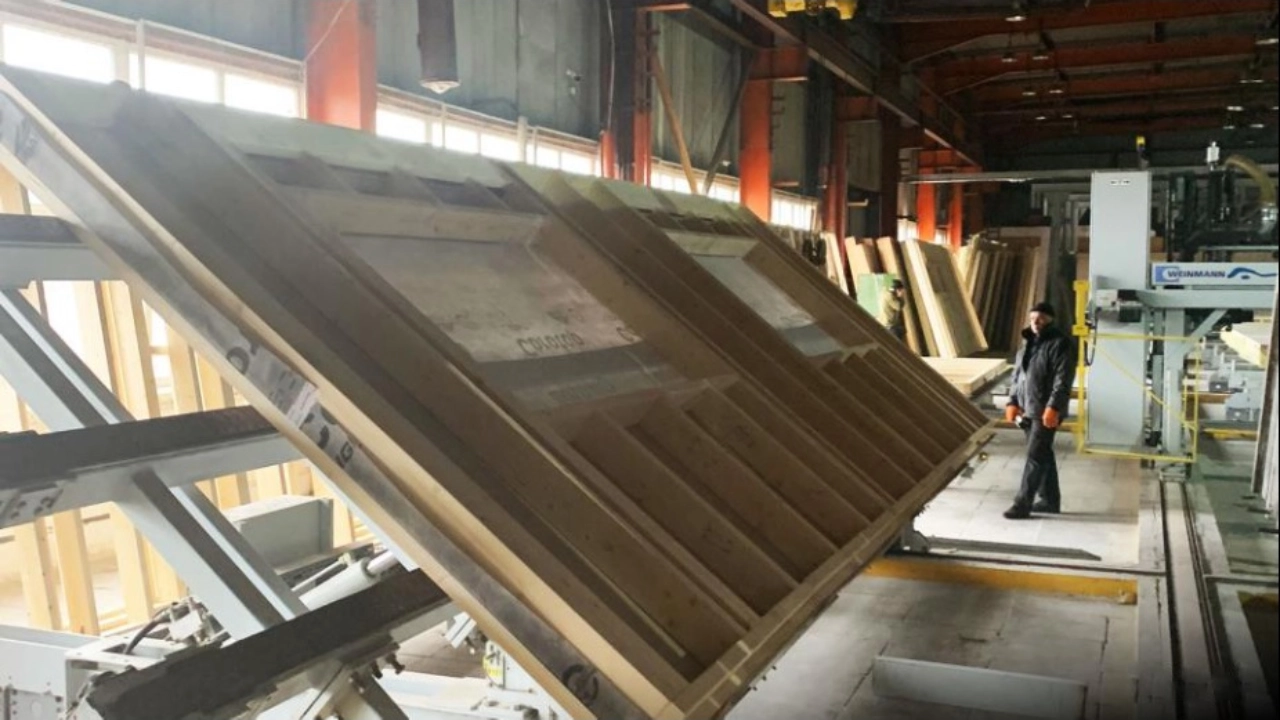
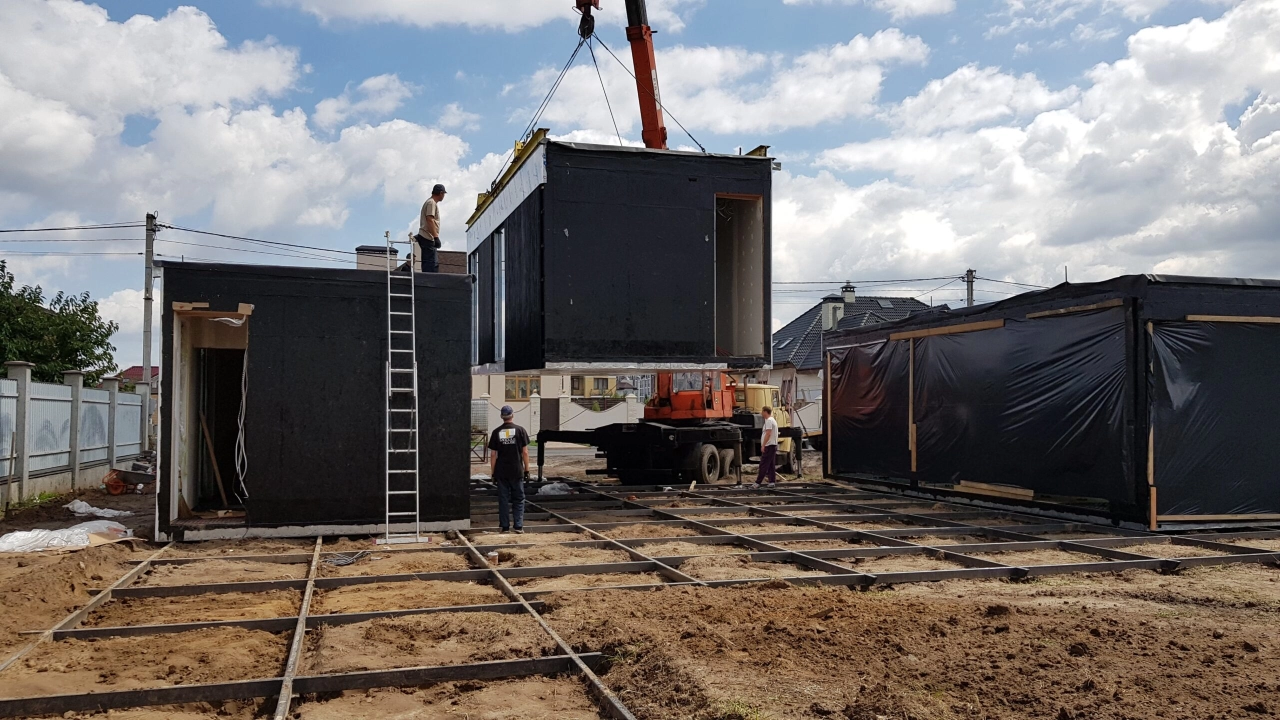
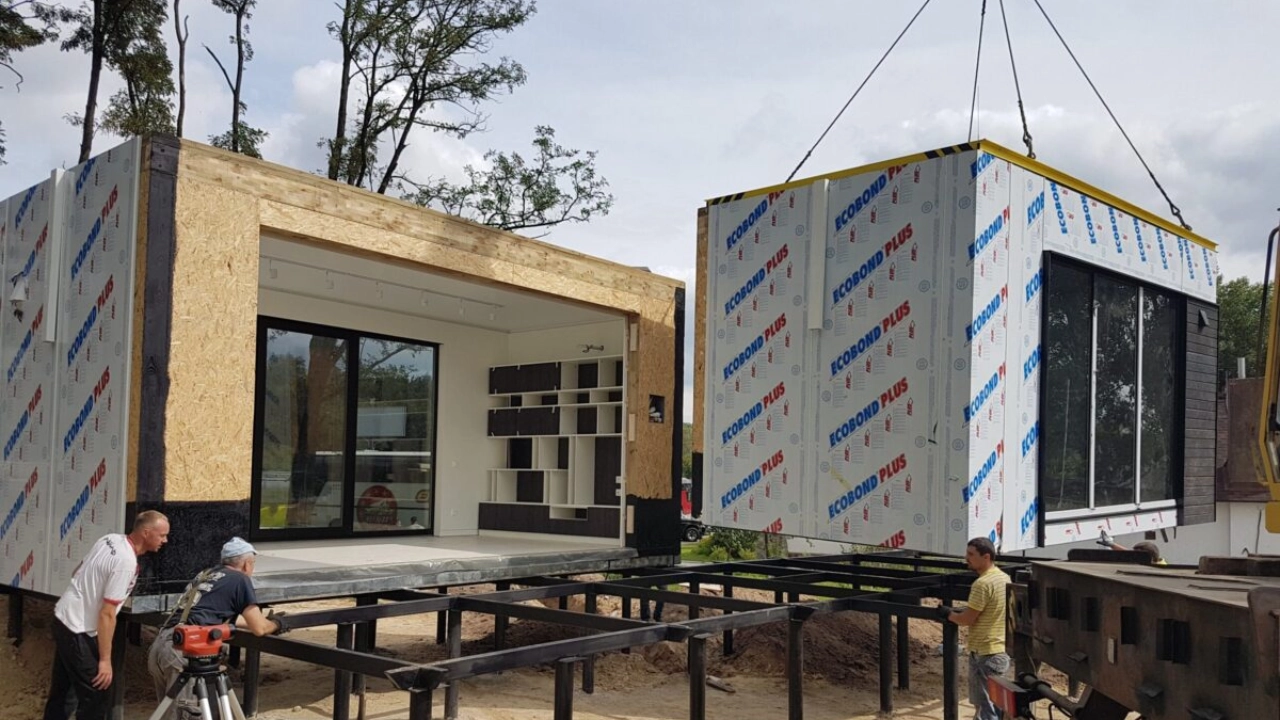
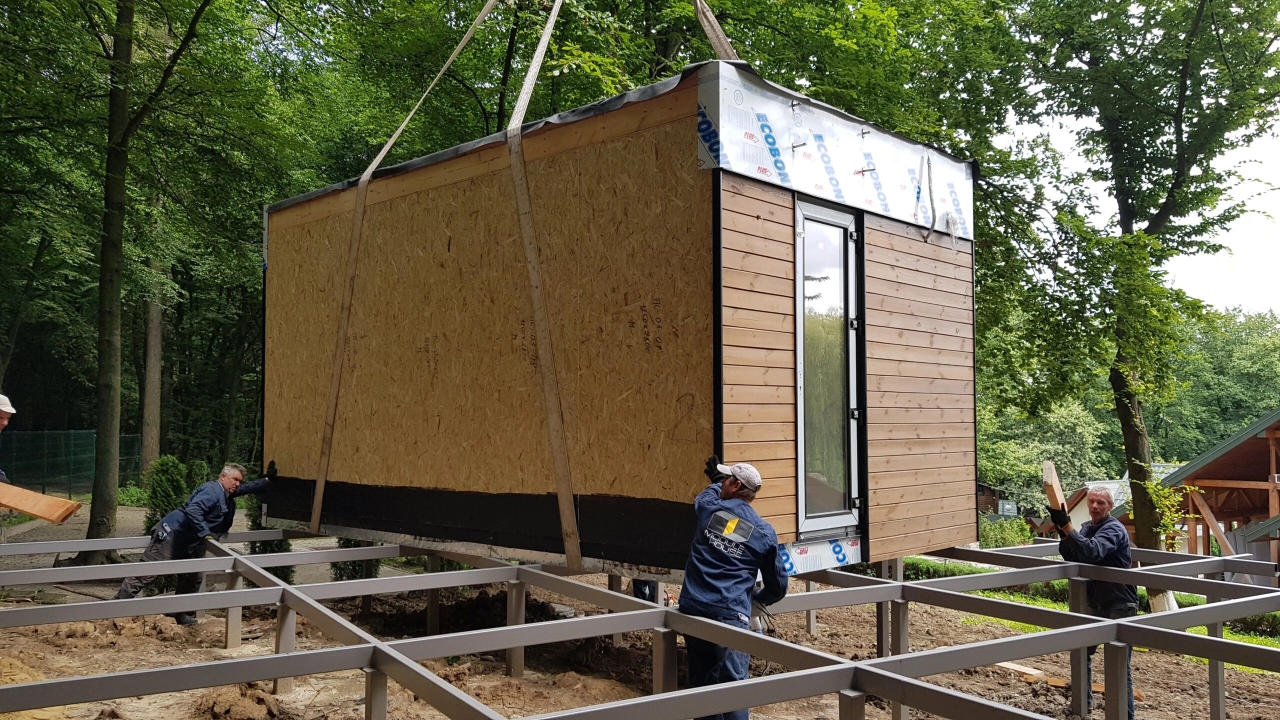
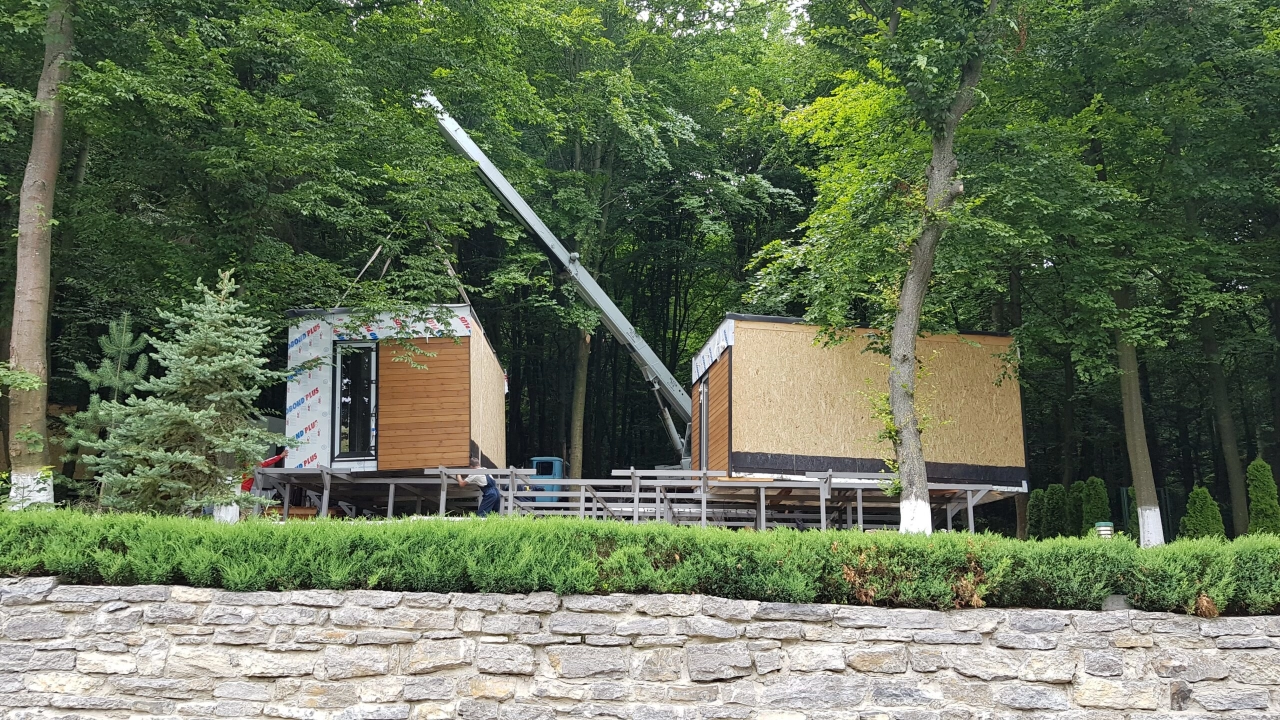
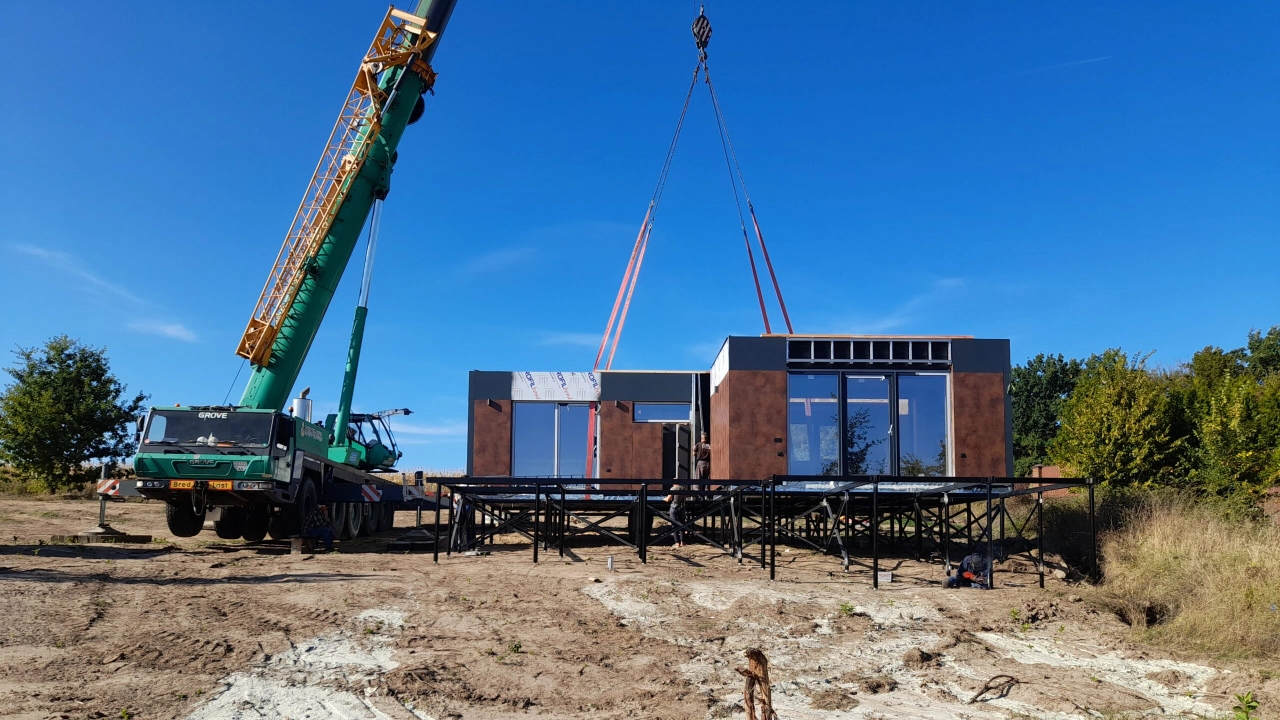
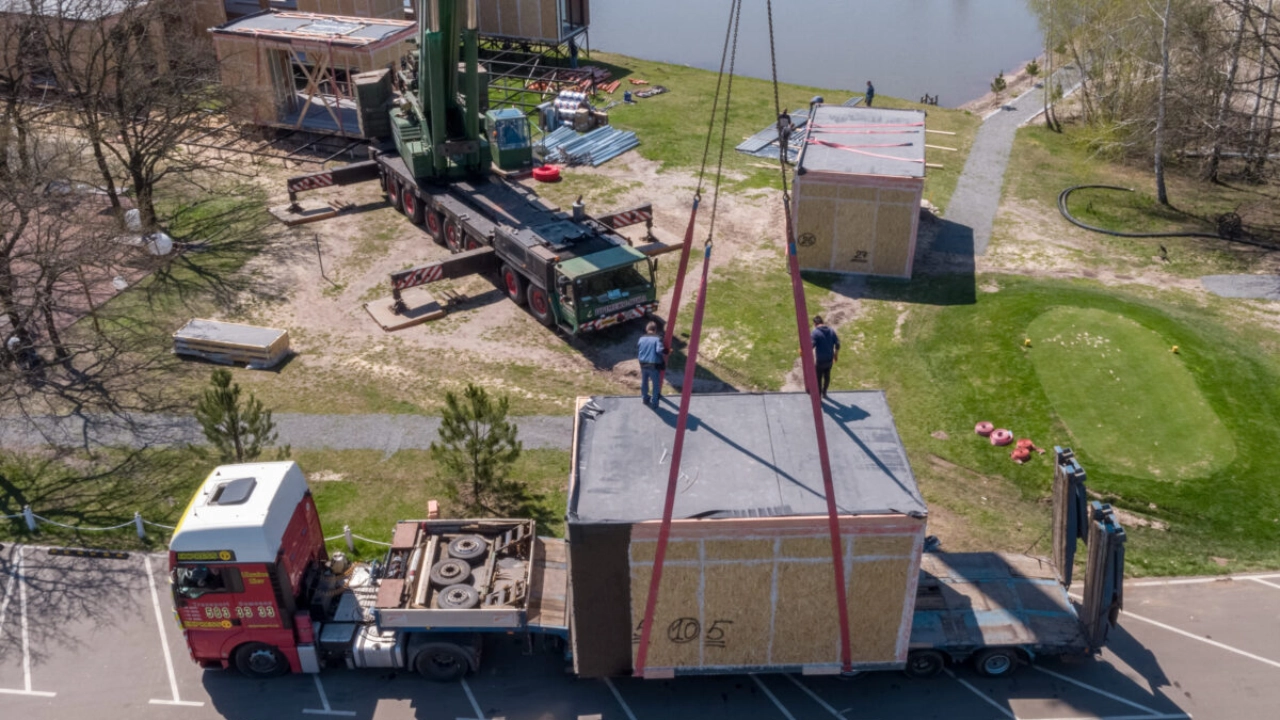
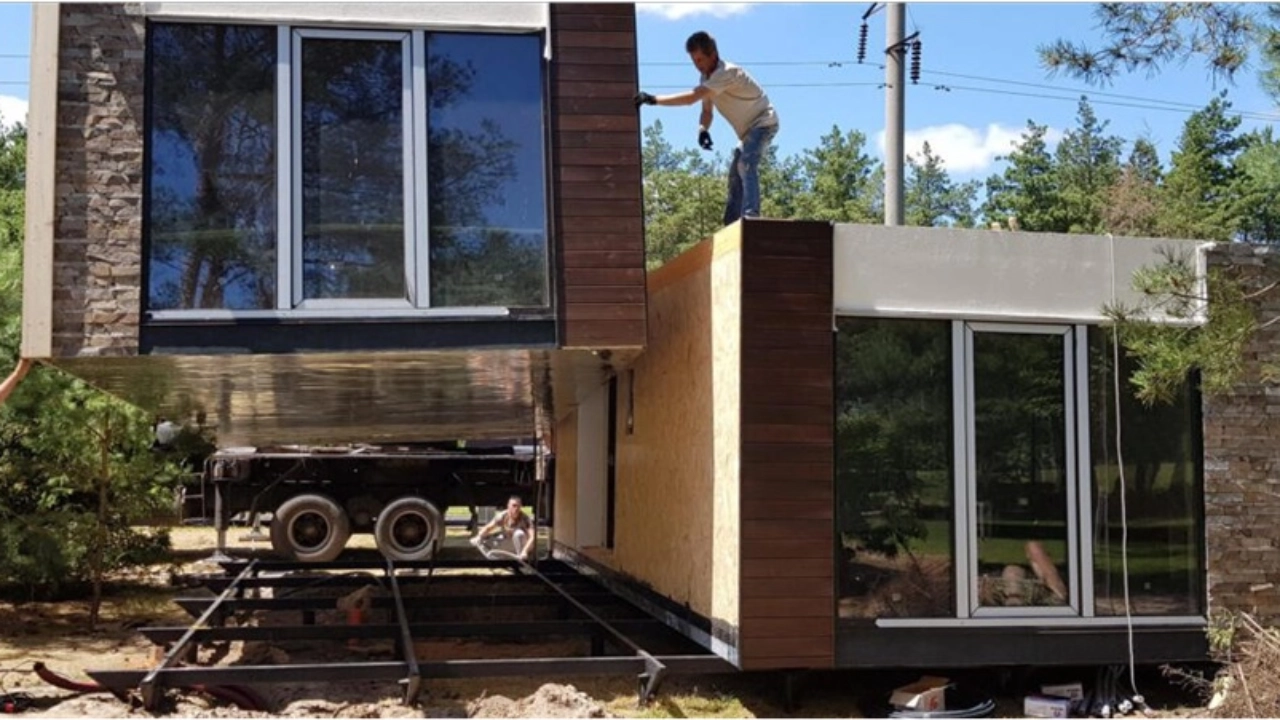
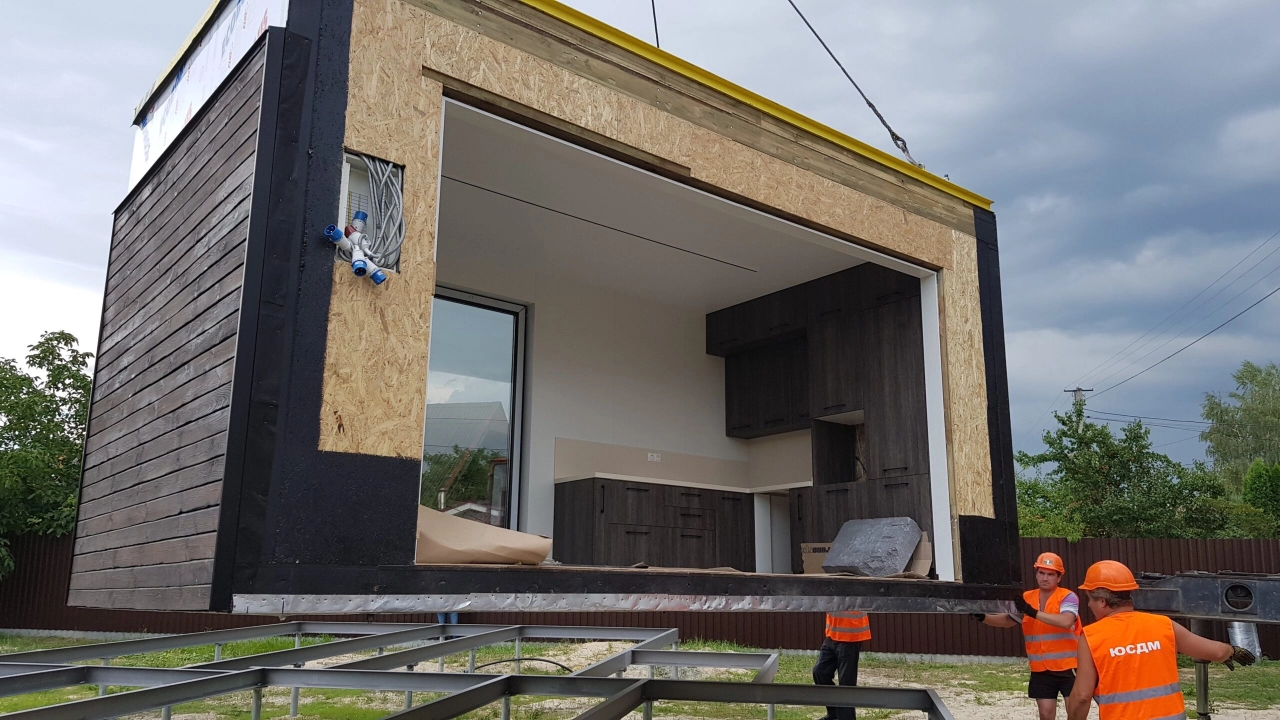
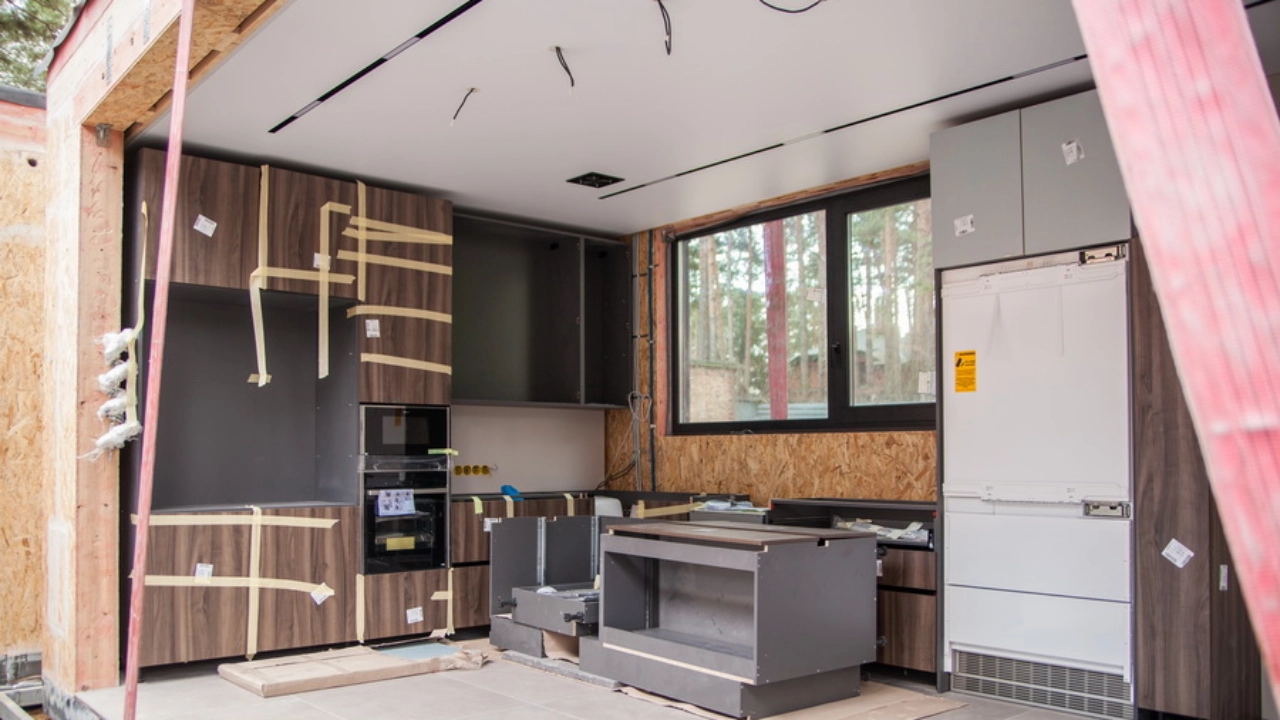
Each house is created in a manufacturing facility under controlled humidity and temperature conditions, eliminating any weather-related risks. The frame, roofing, windows, doors, and utility systems are installed directly at the factory, along with full interior finishing, including plumbing and built-in furniture. Standardized production ensures a fully finished house within four months, with installation at the site taking only two to five days.
Construction
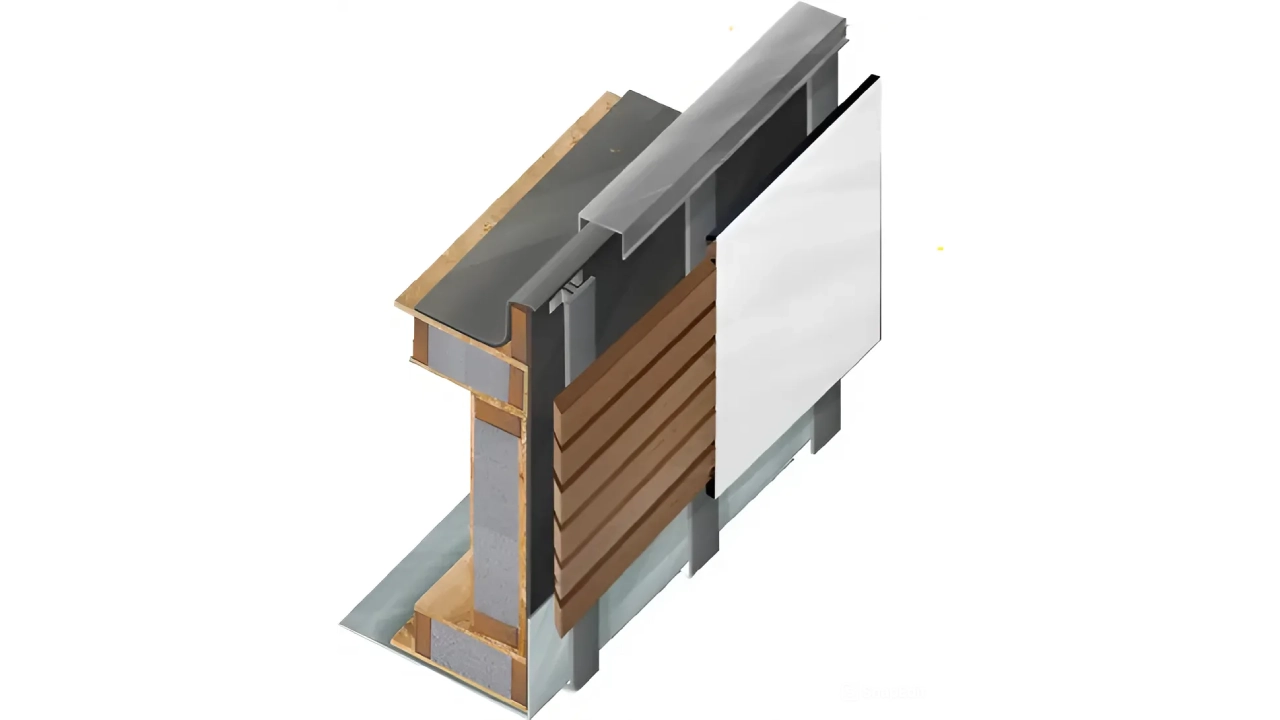
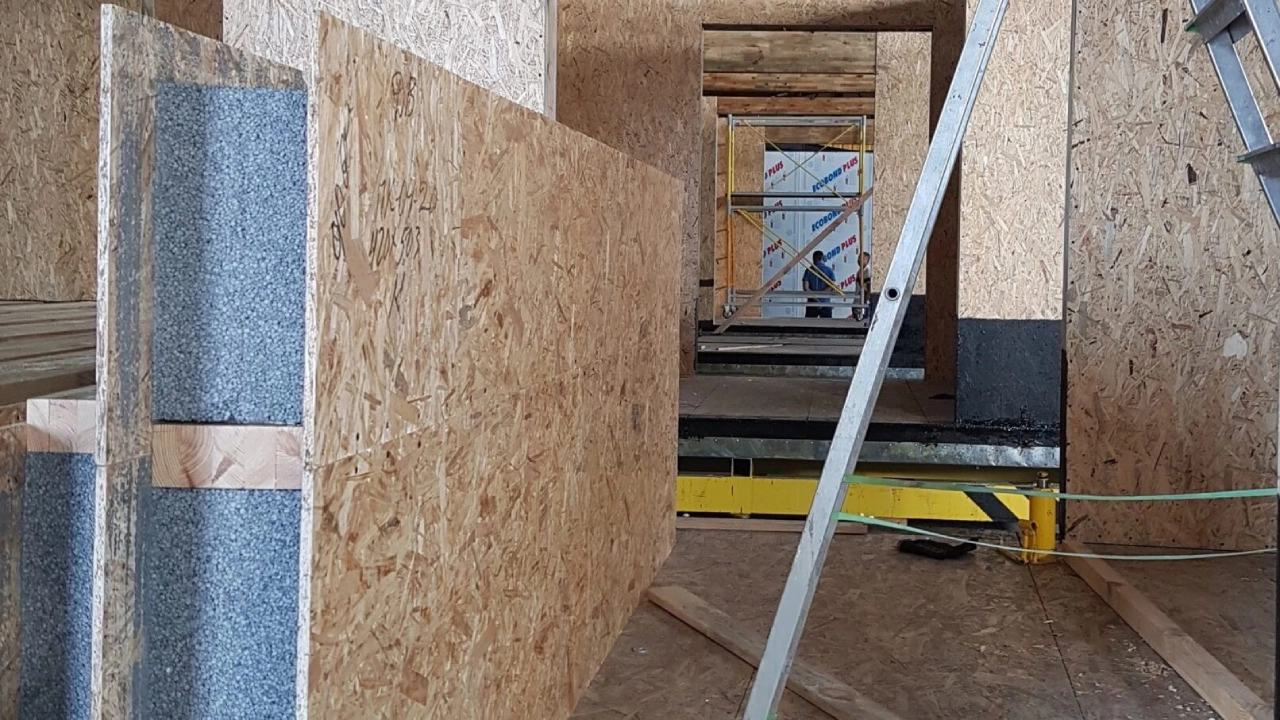
The walls, floor, and ceiling of the house are formed using energy-efficient sandwich panels. The structure of the panels consists of eco-friendly Egger OSB boards (Austria) and high-performance Neopor BASF insulation (Germany). Graphite incorporated into the insulation enhances its thermal, antiseptic, and soundproofing properties.
The panels are connected using structural laminated timber of the highest grade, creating a strong, self-supporting frame resistant to deformation and repeated transportation. The total panel thickness is 200 mm, including two layers of OSB and a 180 mm insulation layer, ensuring high energy efficiency and reliable protection of the interior.
Modern and Durable Façade Solutions
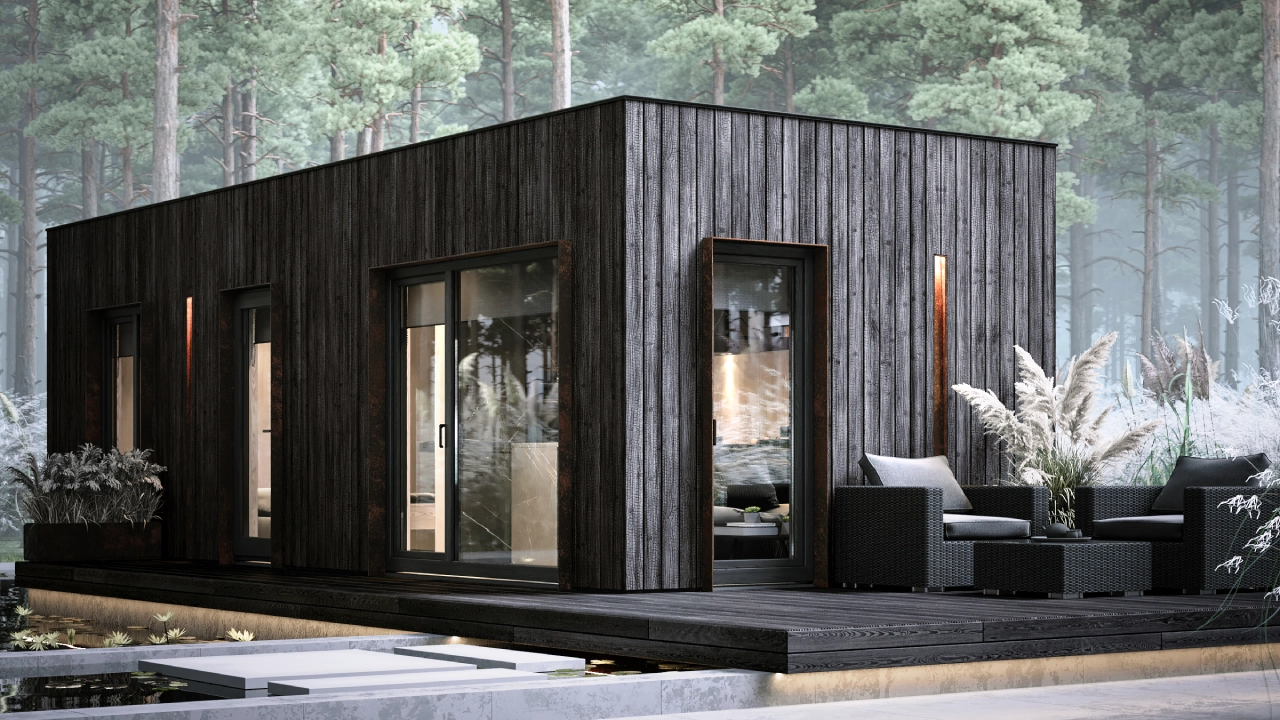
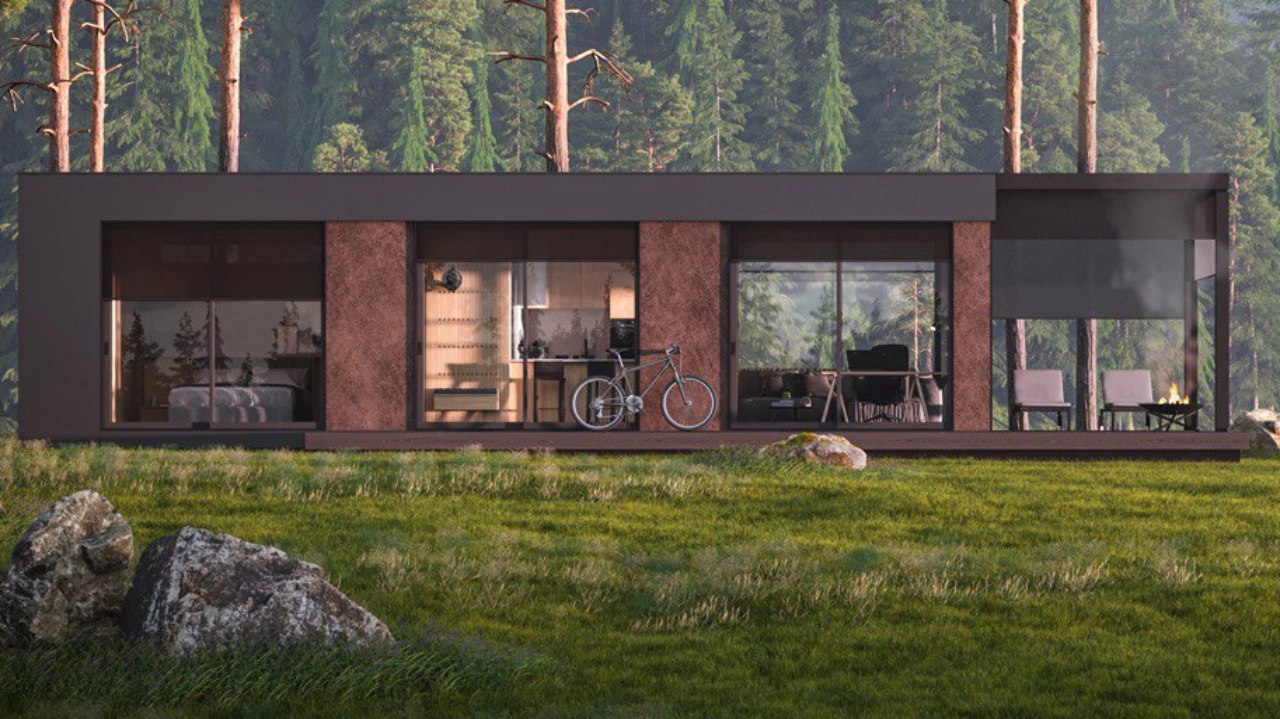
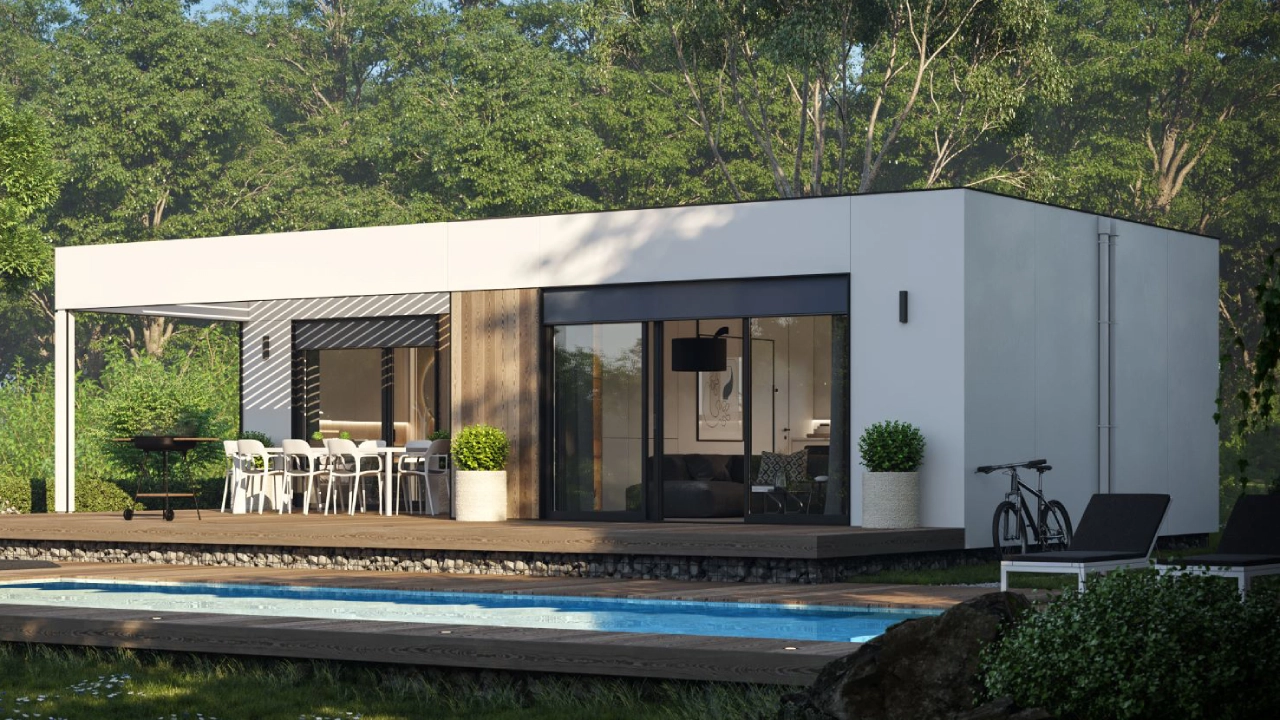
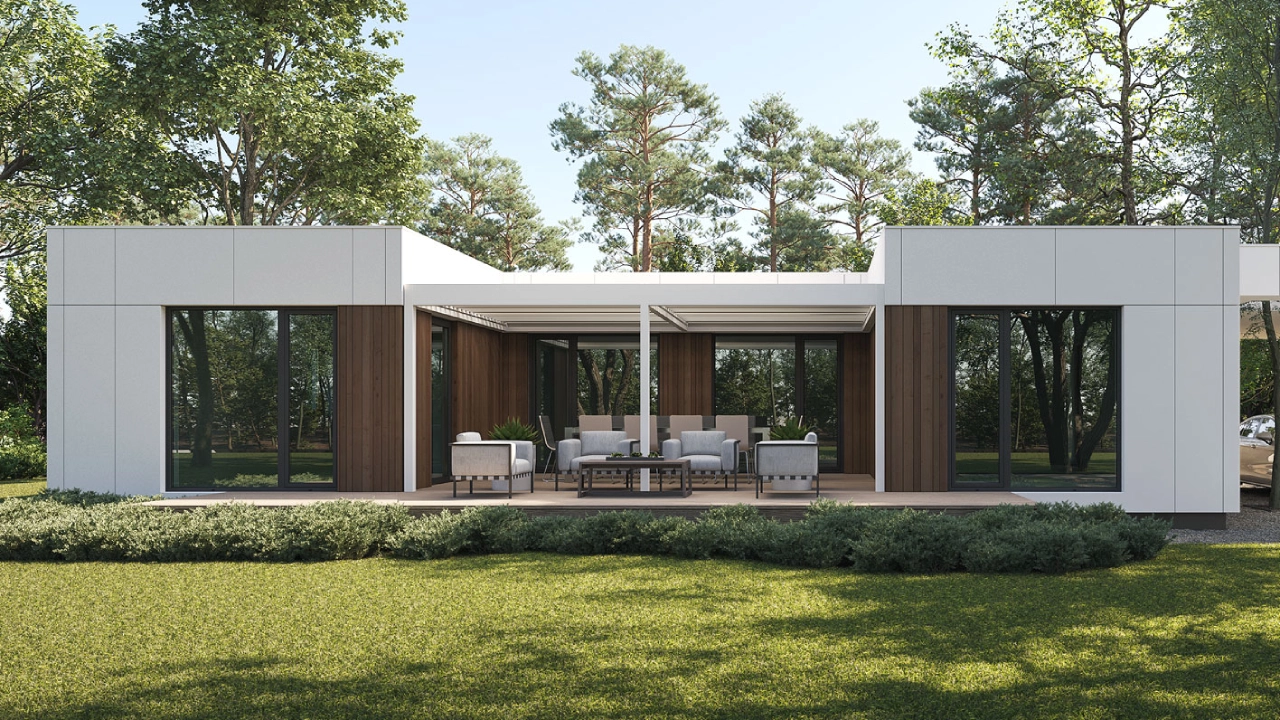
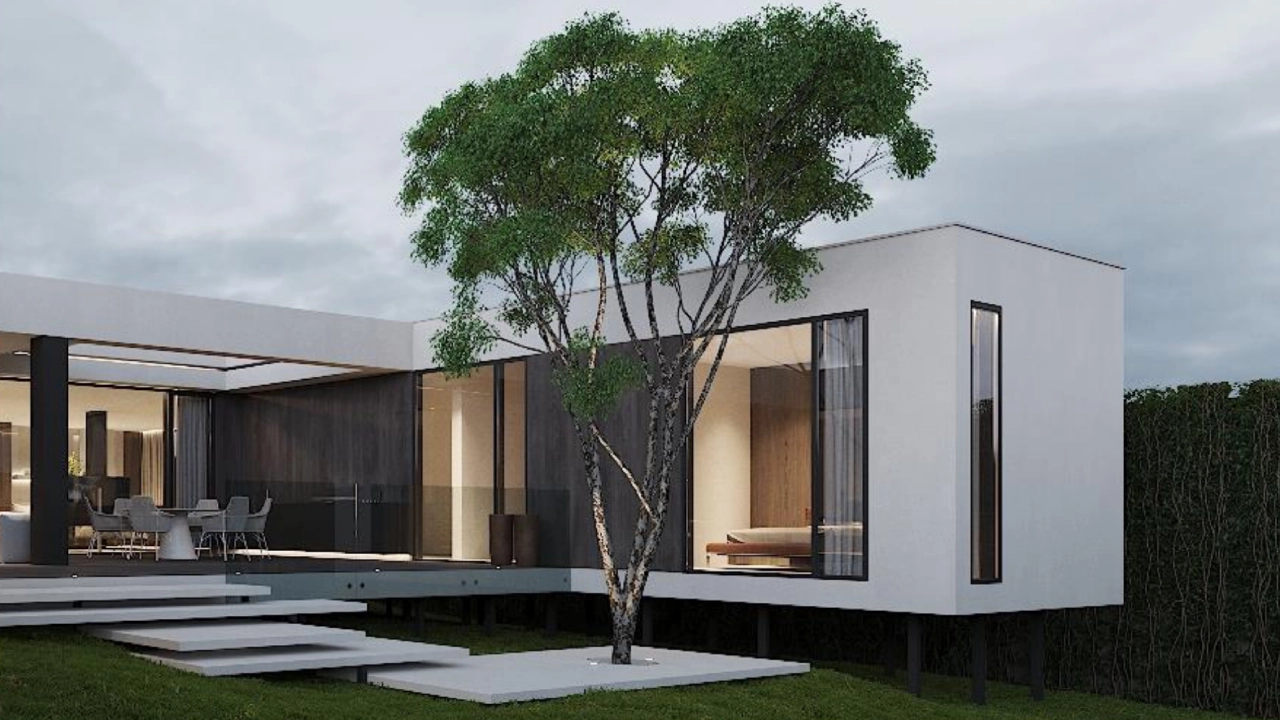
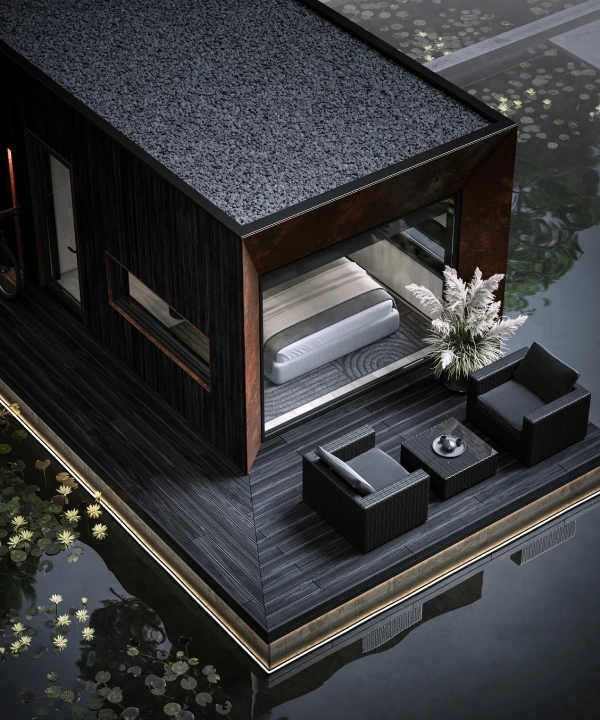
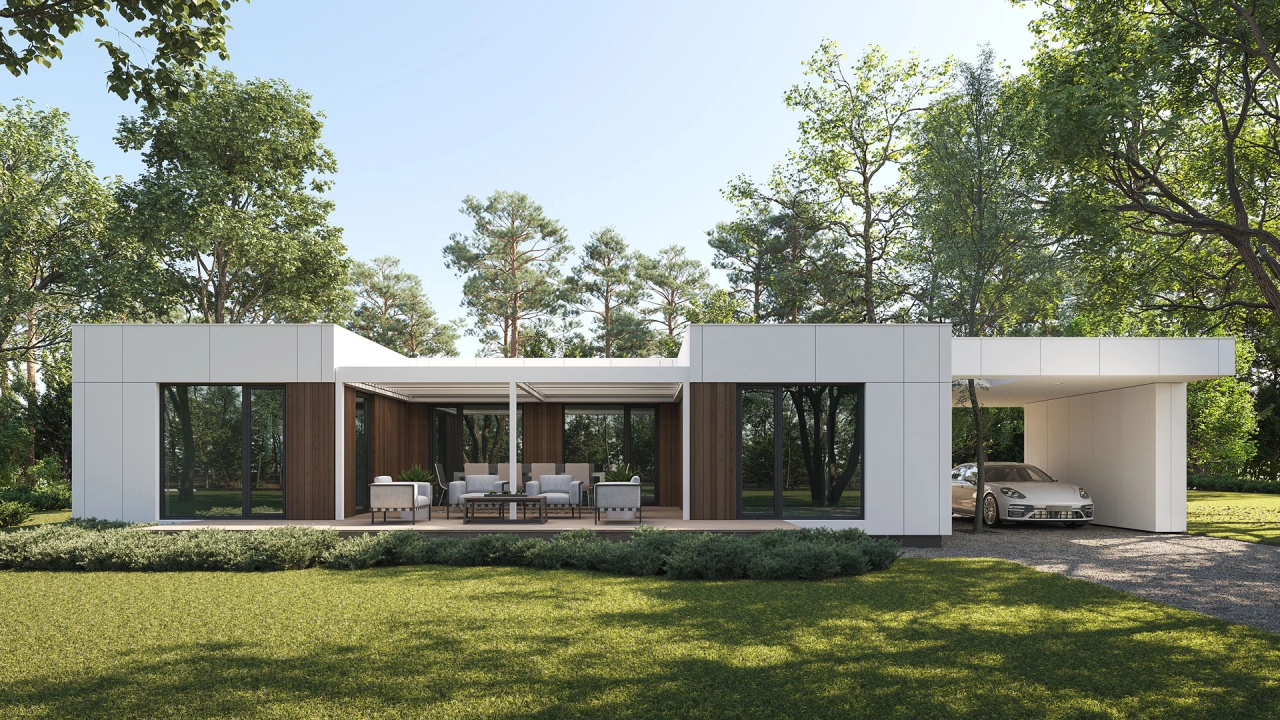
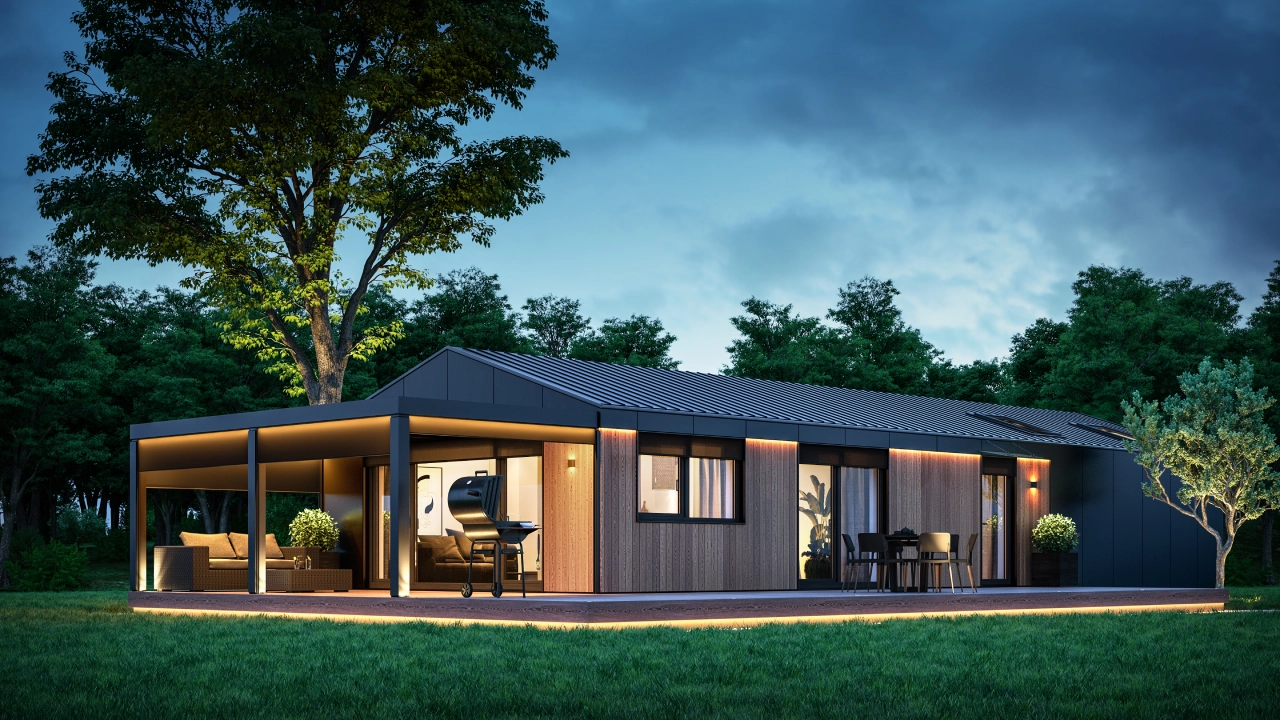
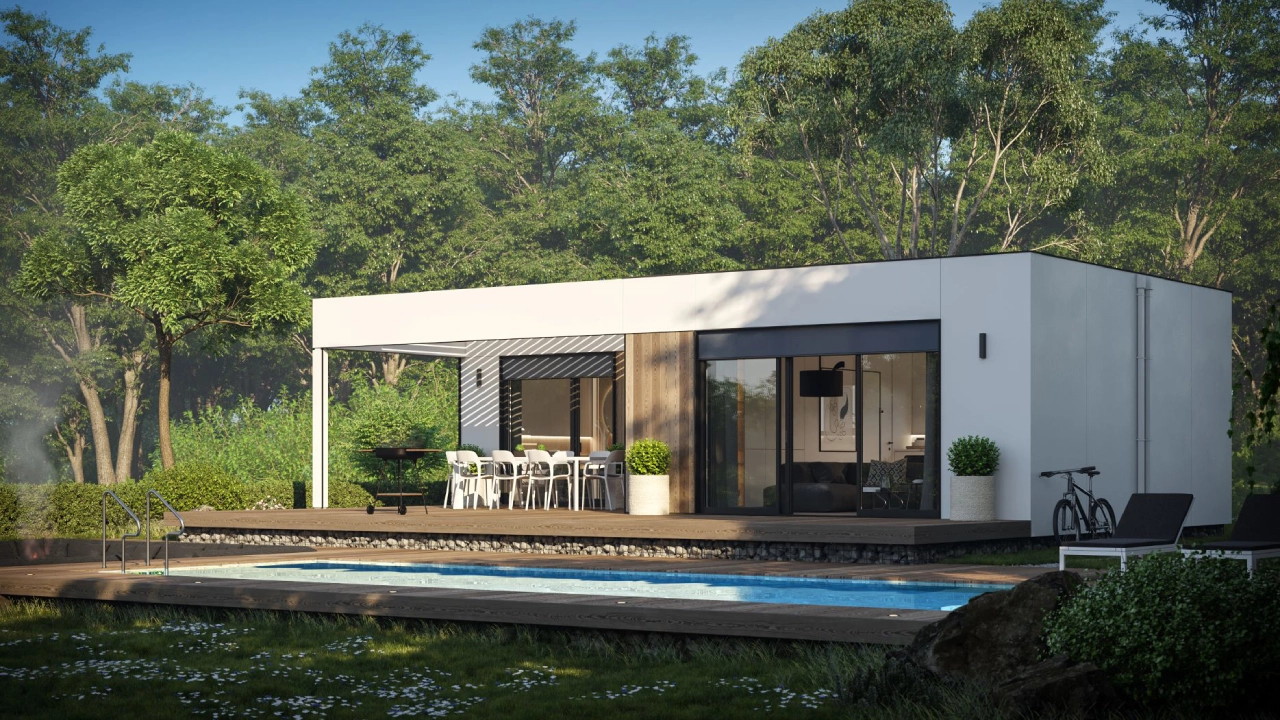
The exterior finishing of the houses combines aesthetics, durability, and minimal maintenance requirements. Composite aluminum panels and thermally modified ash wood with a ventilated façade system are used for cladding. Composite panels are resistant to moisture, UV radiation, and mechanical damage, requiring no additional treatment during use. The natural texture of thermo-ash wood adds a vibrant character to the façades, providing extra protection against overheating in summer and moisture in winter.
This combination of materials highlights the modern architecture and significantly extends the flawless lifespan of the buildings.
Site and Foundation
To install the house, the site must be prepared with access to water supply, sewerage, and electricity.
Technical requirements for the foundation are developed based on geological surveys, topographic mapping, and the individual features of the project.
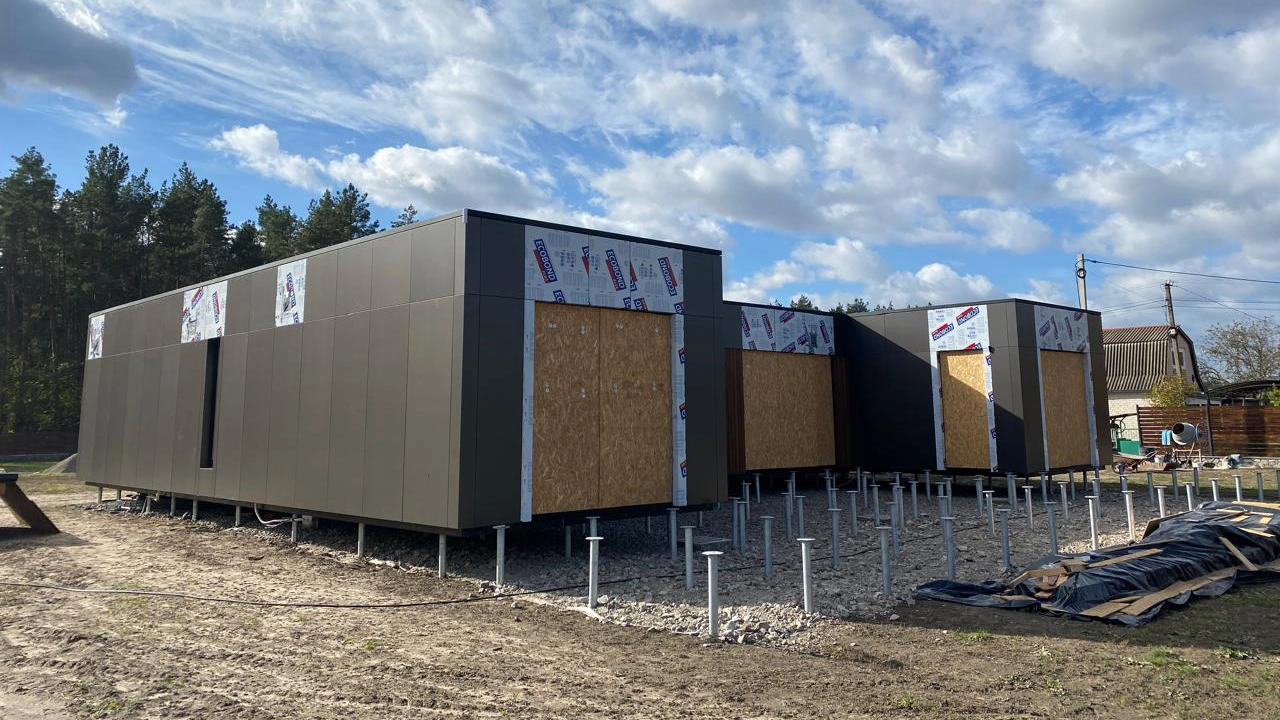
The house can be installed on a strip foundation, a pile foundation, or a screw pile system.
The standard solution involves the use of screw piles, allowing installation even on challenging terrain with minimal impact on the environment.
The type and specifications of the foundation are determined according to the geometry of the house, design loads, and soil conditions.
Roofing and Waterproofing
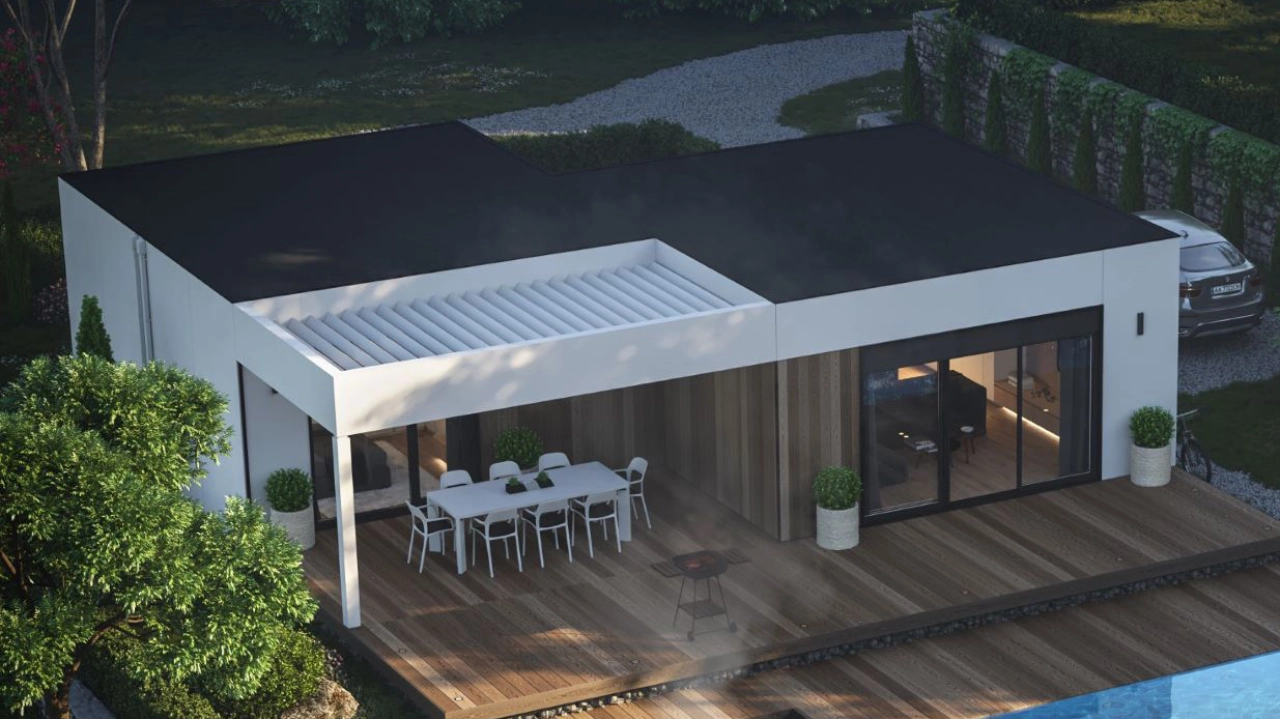
The roofing is made with a high-strength PVC membrane with a 2.5% slope, ensuring efficient water drainage. The structure is designed to withstand loads up to 500 kg/m² and completely prevents the accumulation of snow and ice thanks to an advanced precipitation and heat drainage system.
Delivery and Installation
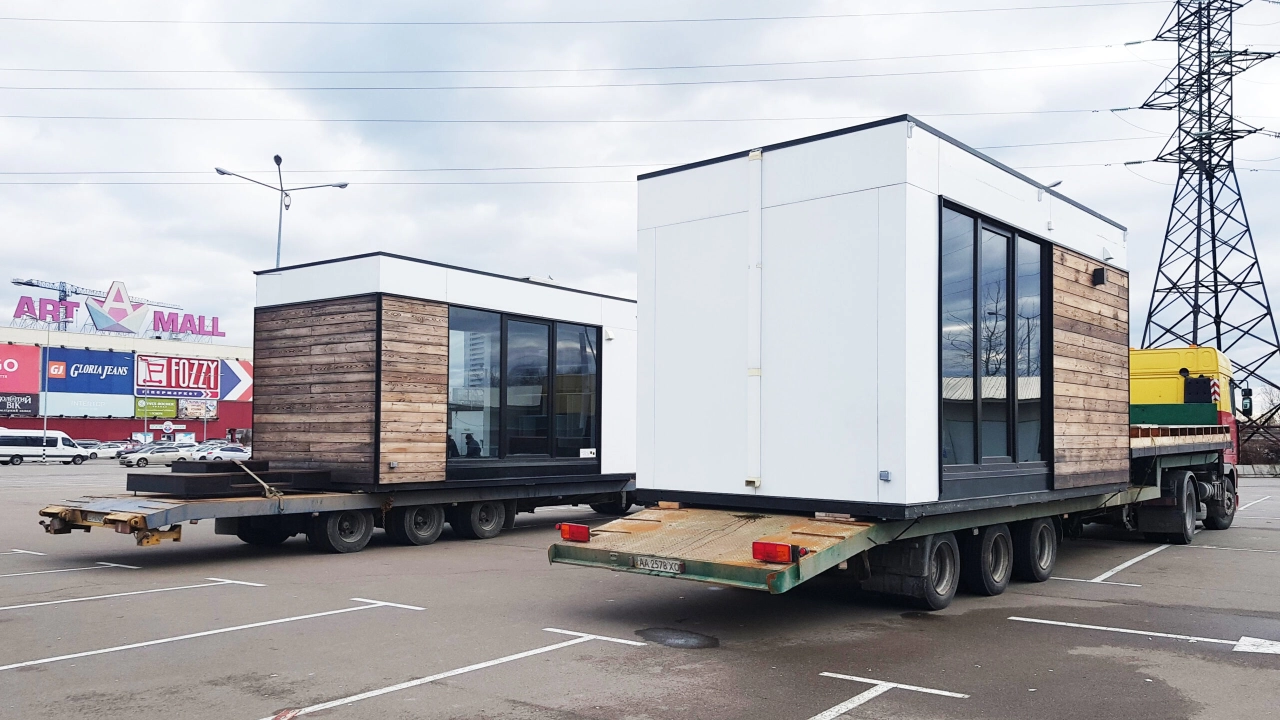
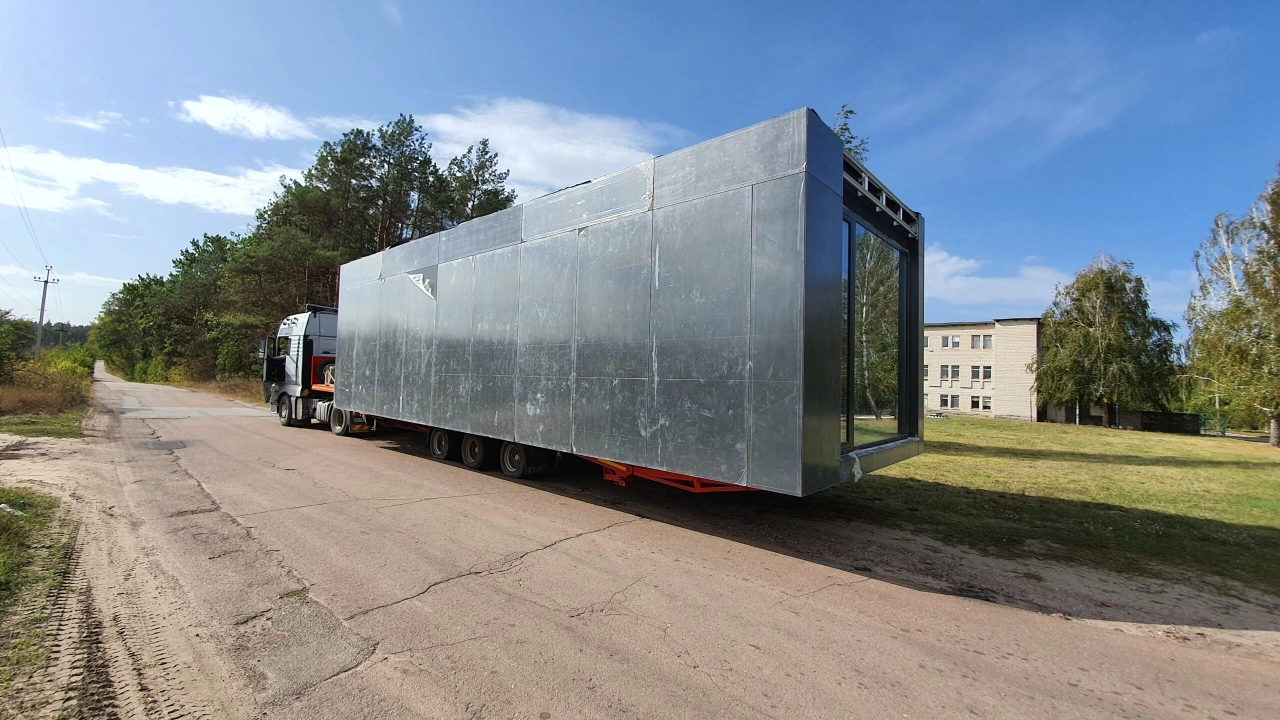
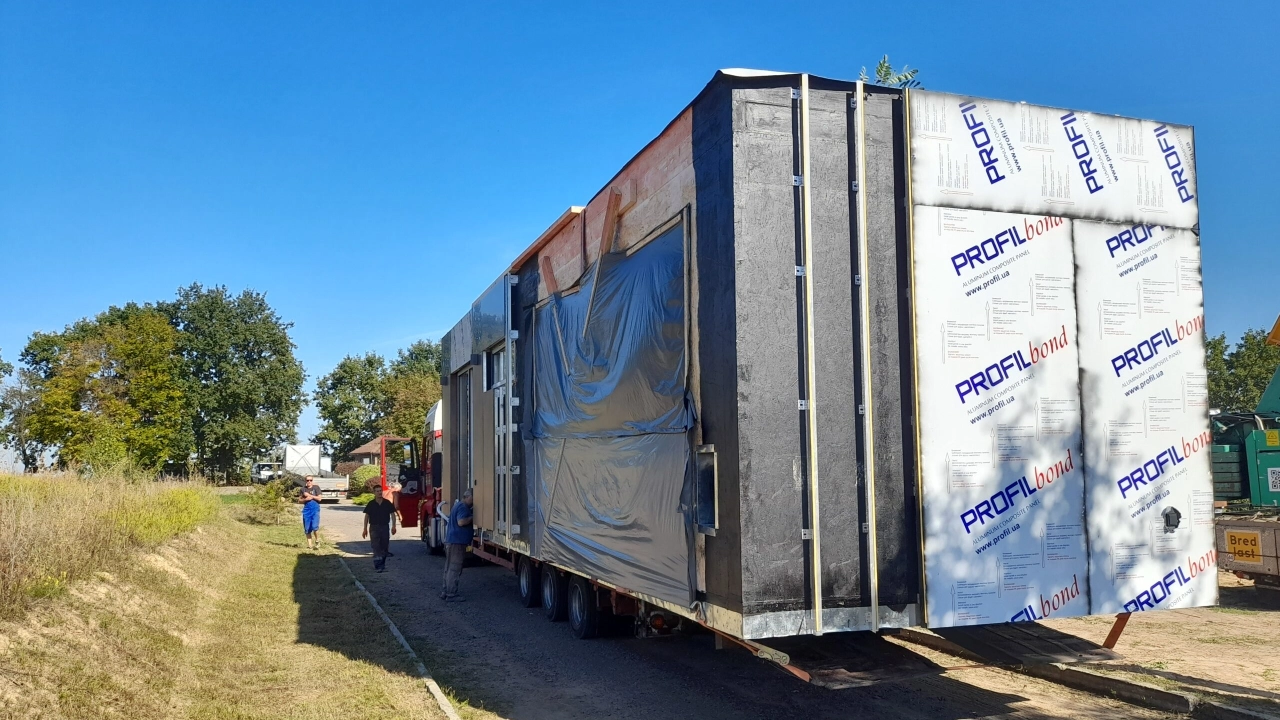
Modules are delivered to the site in a fully finished state — with installed windows, interior and exterior finishes, engineering systems, built-in furniture, and plumbing fixtures. Transportation in assembled form is made possible by the high rigidity and structural reliability, preserving integrity even during long-distance transport.
Certificates and Quality Guarantees
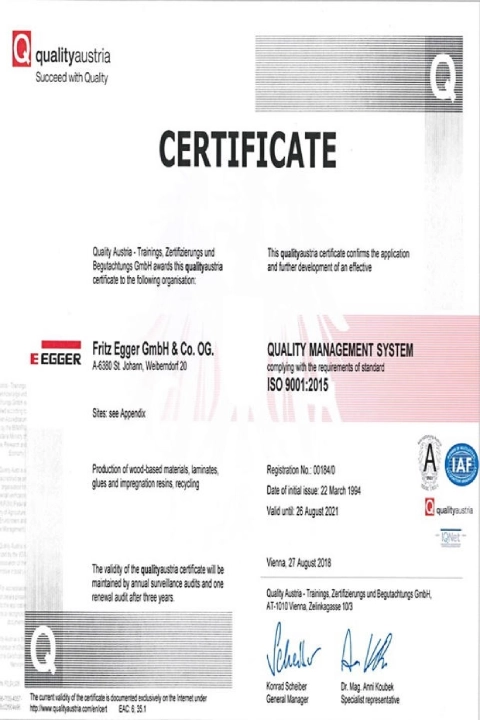
The technology is based on the use of environmentally safe materials that contain no harmful substances and meet strict quality standards. Modules are certified by the European Certification Agency. The production processes are accompanied by an ISO 9001:2015 quality management system, ensuring stability and reliability at every stage of manufacturing.
A 20-year warranty is provided on the structural elements of the houses. The service life of the modular homes exceeds 50 years when standard operating conditions are observed. The high structural strength allows for multiple relocations without loss of performance characteristics.
Architectural Excellence and Ergonomics
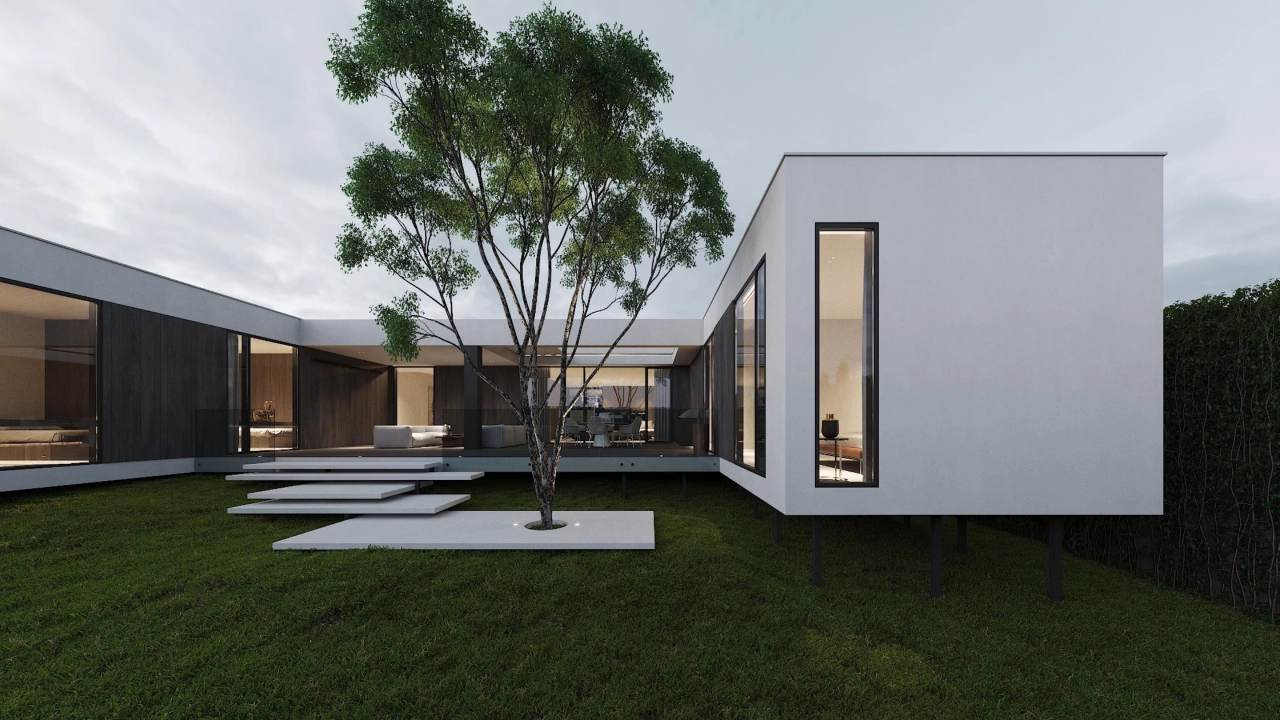
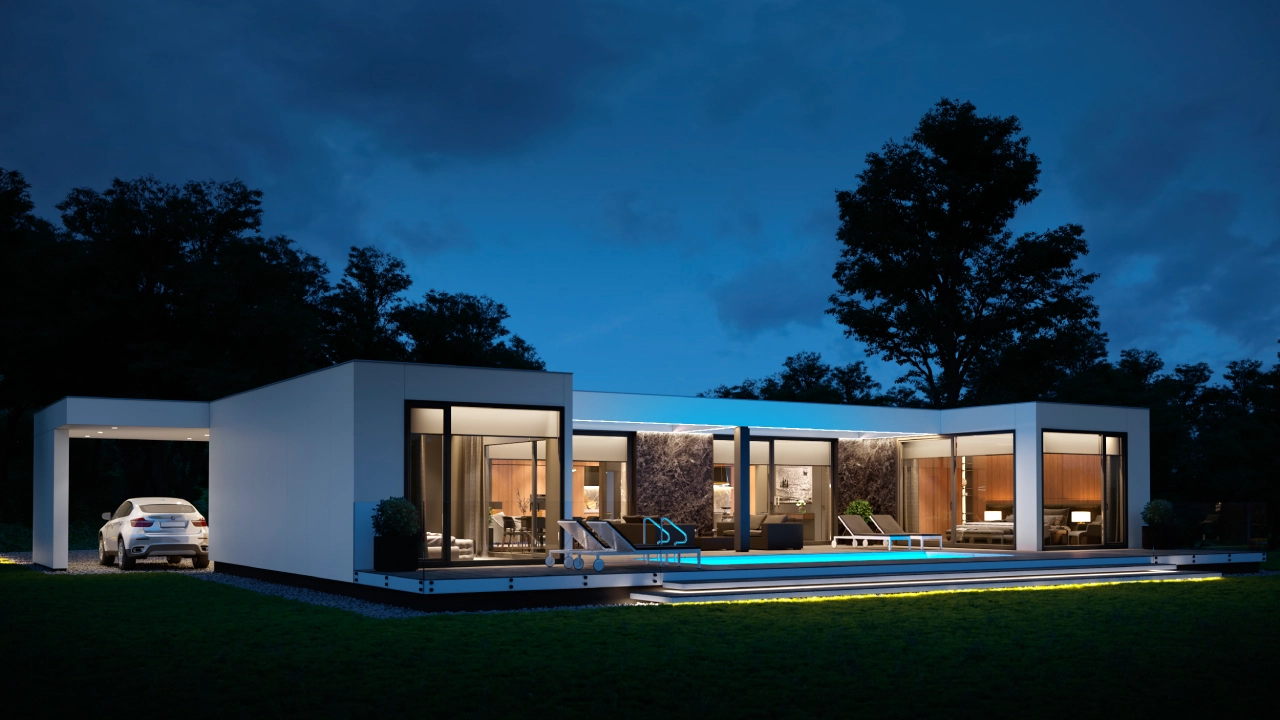
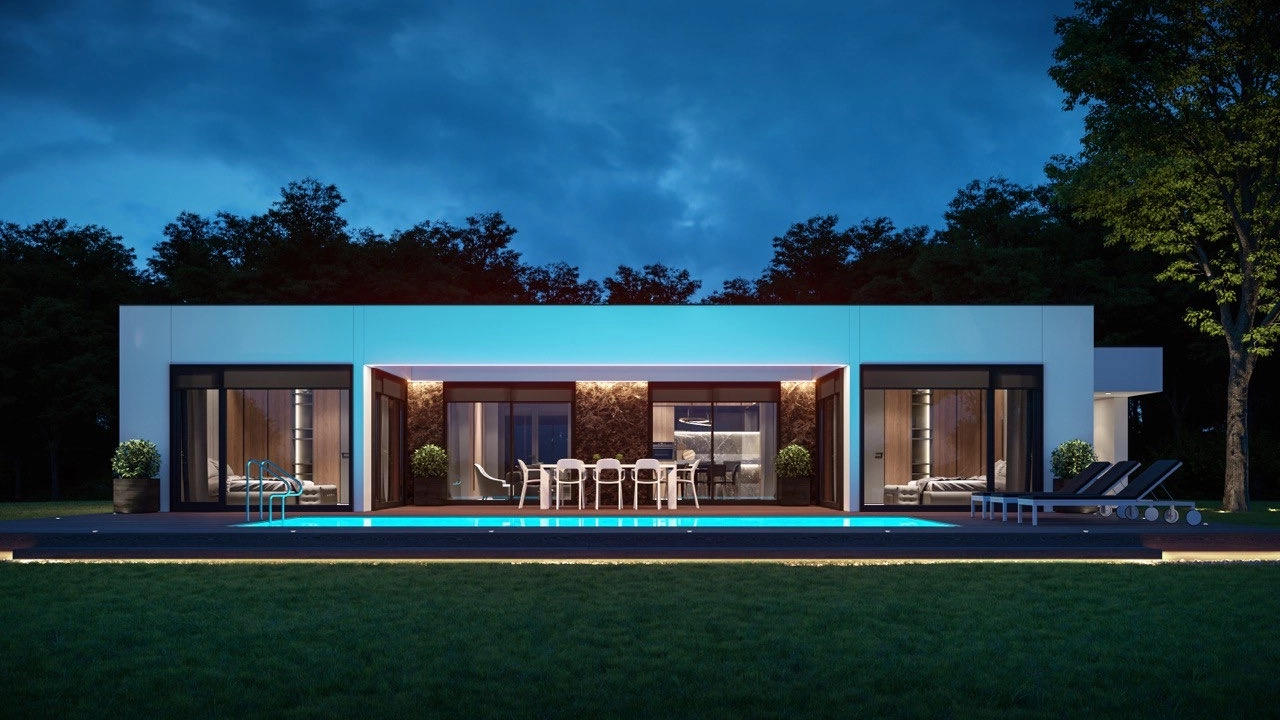
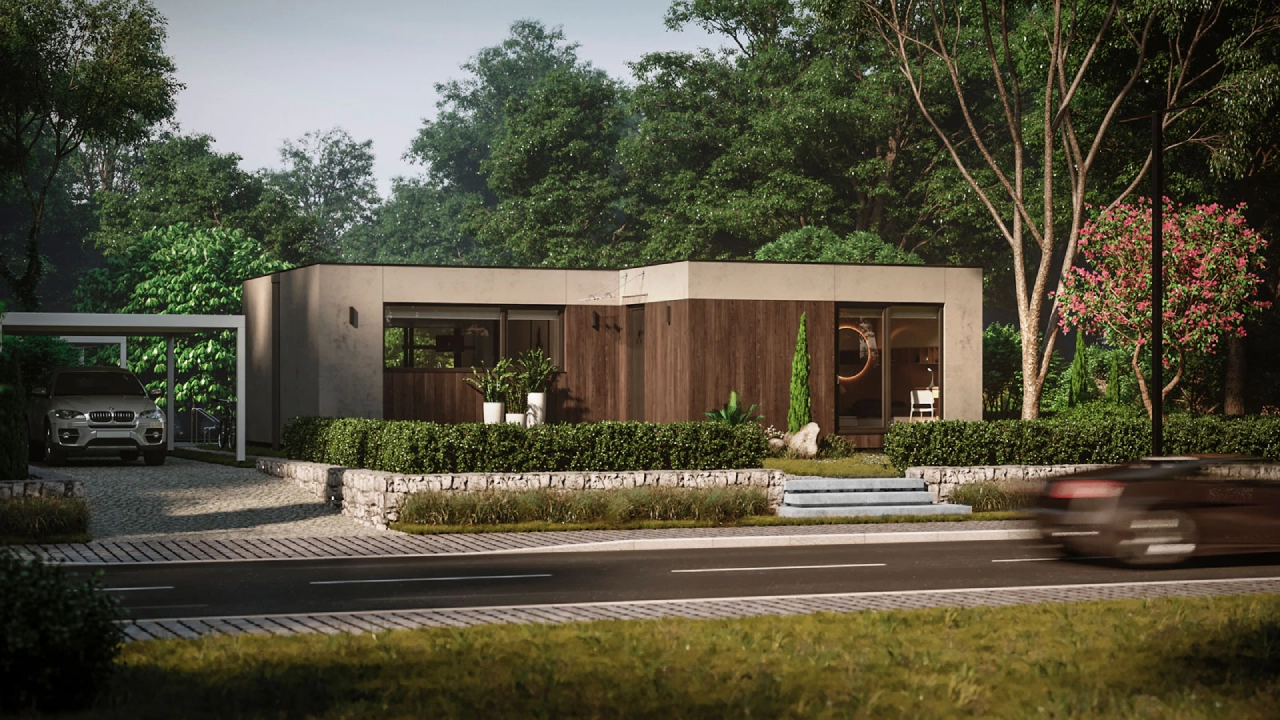
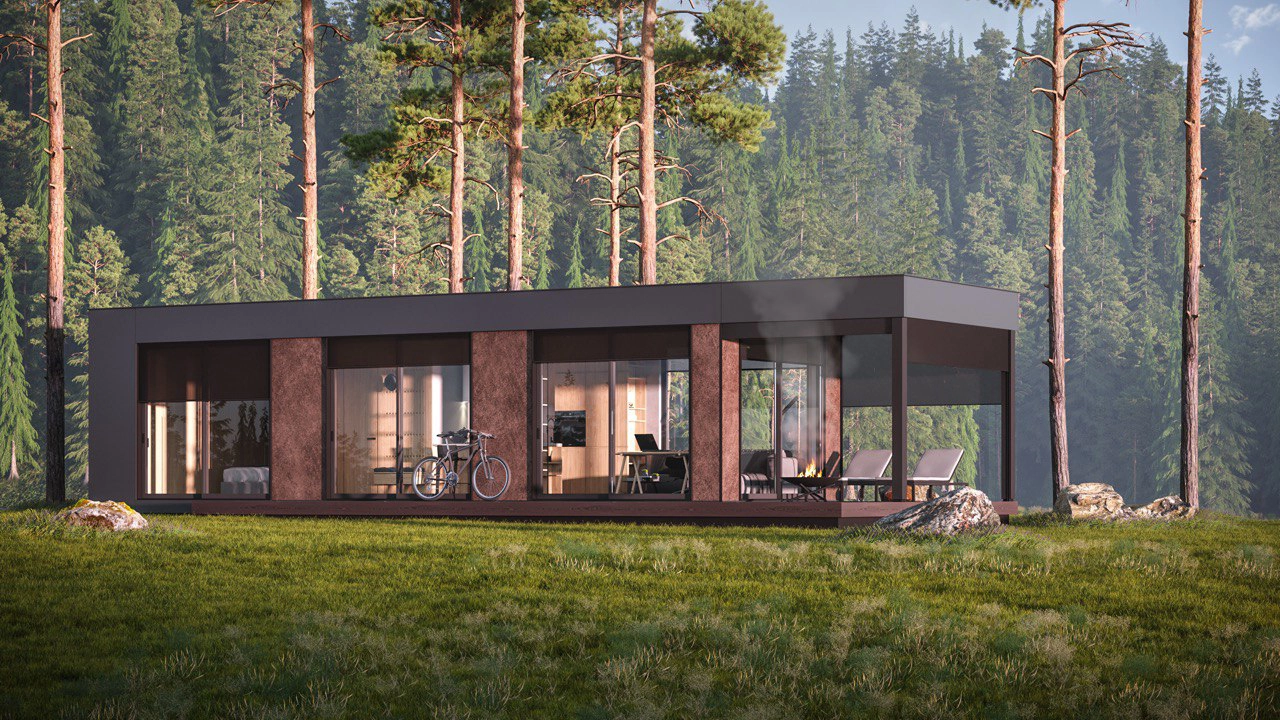
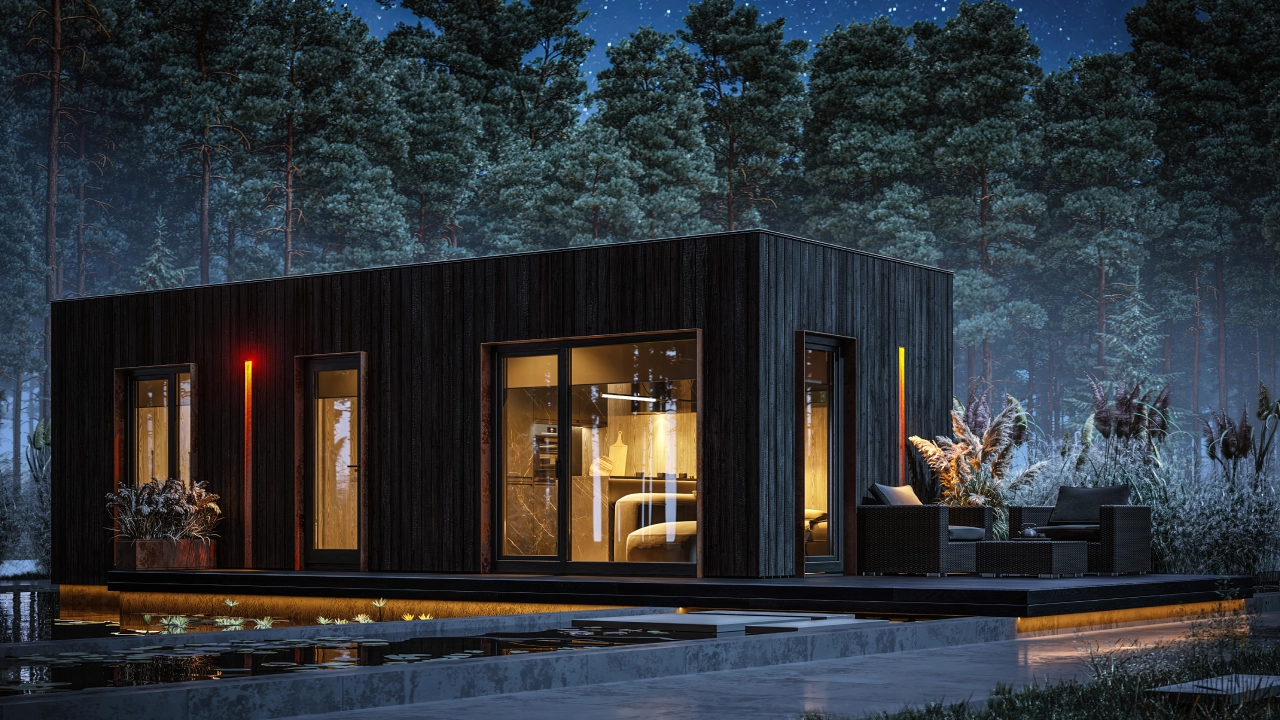
The projects combine contemporary architecture, ergonomic layouts, and optimal use of space. Large windows, clean facade lines, and minimalist design create a sense of light, harmony, and comfort.
This concept allows the houses to be used both for permanent living and for commercial projects — from private residences to large-scale communities and recreational complexes.
This technology is not just a step forward in residential construction, but a philosophy of comfort, sustainability, and harmonious integration with the environment.